Synthetic Production
Solvay Process
The Solvay Process is the most widely used synthetic method for producing soda ash. Developed in the 19th century, it converts common raw materials such as salt and limestone into soda ash through a controlled chemical process. This method plays an important role in supplying soda ash to regions where natural trona resources are not available, supporting global industrial demand.
Where is it found?
Used in many countries around the world, particularly in regions where natural trona deposits are limited or unavailable. It is commonly found in Europe, parts of Asia, and other industrial regions that rely on synthetic production to meet local soda ash demand.
The Solvay Process uses widely available raw materials such as salt and limestone, it allows soda ash to be produced close to end markets. This makes it an important production method for supporting regional supply, reducing reliance on imports, and ensuring consistent availability for industrial use.
Byproduct of the Solvay Process
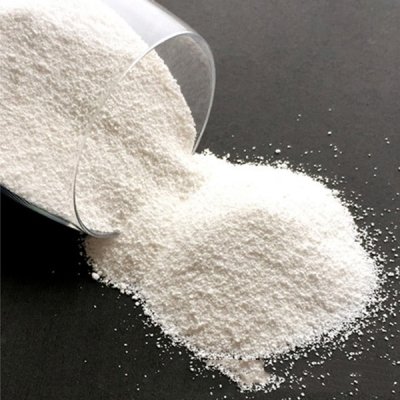
During the Solvay Process, calcium chloride is generated as a byproduct once soda ash has been separated. While it can be used in applications such as de-icing, dust control, and certain chemical processes, its demand is more limited than soda ash. As a result, careful byproduct management is an important part of operating the Solvay Process efficiently and responsibly.
Key Challenges and Improvements
The Solvay process faces challenges related to energy consumption, environmental impact, and calcium chloride byproduct management, particularly when disposal options are limited. Modern improvements focus on enhancing energy efficiency, maximizing ammonia and CO₂ recycling, implementing closed-loop water systems, and improving emission controls, making the process more efficient and environmentally responsible for large-scale soda ash production.

Hou Process
Hou’s Process is an improved version of the Solvay Process, developed in the 1930s by Chinese chemist Hou Debang. While it follows a similar production flow, Hou’s process is designed to improve efficiency and significantly reduce waste, making it a more resource-efficient method for producing soda ash
Where is it found?
The Hou process is most widely associated with China, where it has been adopted at scale due to strong industrial demand for soda ash and the ability to integrate chemical production with fertilizer markets. It is typically implemented in areas with reliable access to salt brine (NaCl), ammonia, and a CO₂ source (commonly from limestone calcination or industrial flue gas), supported by sufficient utilities and energy supply. The process is most attractive in locations where the co-product stream can be absorbed by downstream industries, especially agriculture-related sectors.
Byproduct of the Hou Process
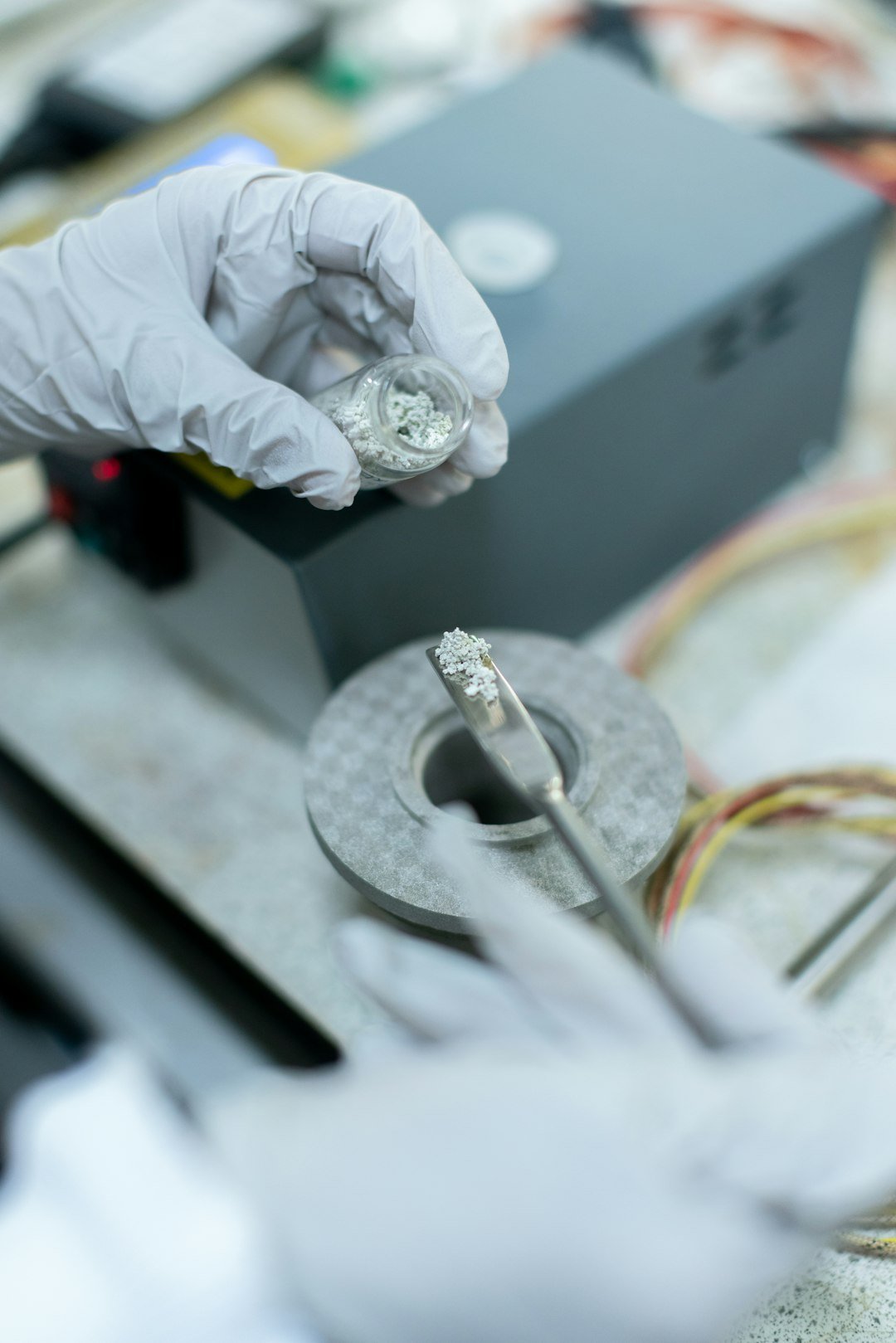
In the Hou Process, ammonium chloride is recovered as a useful byproduct after the main product, soda ash, is separated. This material is commonly used in applications such as nitrogen fertilizers, dry-cell batteries, and select industrial processes. When ammonium chloride is recovered and handled correctly, it can deliver real commercial value, so strong byproduct management is key to keeping the Hou Process both economical and environmentally responsible.
Key Challenges and Improvements
While the Hou process offers strong efficiency advantages, it also presents operational challenges, particularly its high energy demand during heating and carbon dioxide generation, which can increase production costs. Effective ammonia management is critical, as losses affect both profitability and environmental performance, while product consistency depends on stable raw materials and process control. To address these issues, modern plants focus on energy optimization through heat integration and waste-heat recovery, improved ammonia and CO₂ recycling, and enhanced separation and purification systems, resulting in more consistent soda ash quality with reduced resource use and environmental impact.