Soda Ash
What is Soda Ash?
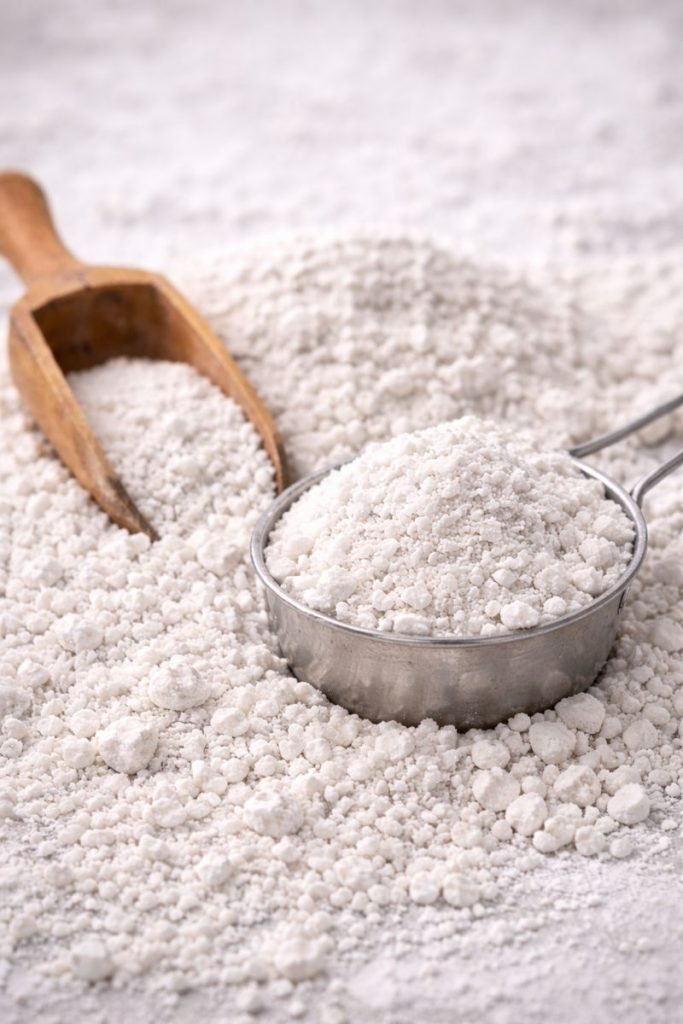
From a practical perspective, soda ash helps manufacturers lower reaction thresholds, improve energy efficiency, and maintain predictable processing conditions. Its ability to neutralize acidity, stabilize formulations, and support consistent reactions makes it essential in industries such as glass, detergents, chemicals, textiles, and water treatment. As it is consumed continuously and in significant volumes, soda ash is treated as a strategic raw material rather than a specialty chemical.
Beyond its chemical role, soda ash is also valued for its reliability and versatility. Manufacturers depend on consistent quality and uninterrupted availability to keep operations running smoothly. As a result, soda ash supply is closely linked to production planning, inventory management, and long-term operational performance across industrial sectors.
How is Soda Ash Produced?
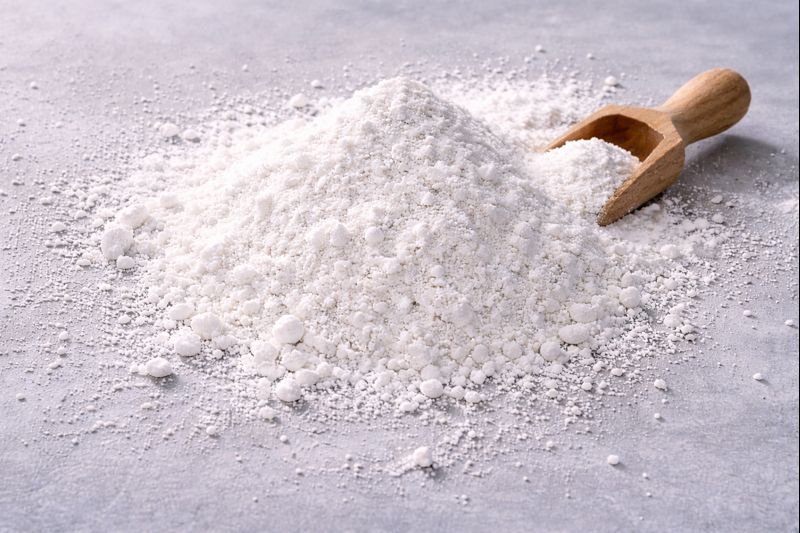
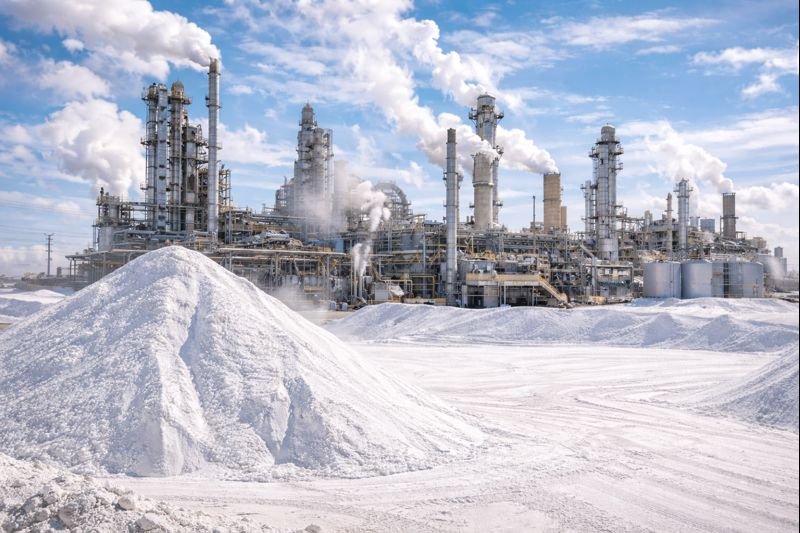
Soda Ash is produced through two primary routes: natural soda ash production and synthetic soda ash production. While these methods differ in terms of raw materials and processing techniques, both ultimately produce chemically identical sodium carbonate that performs the same function in industrial applications. From the end-user’s perspective, the choice of production route does not affect chemical performance but can influence sourcing patterns and supply dynamics.
The production route is largely determined by geographic and economic factors, including the availability of natural mineral deposits, energy costs, and regional industrial infrastructure. Understanding how soda ash is produced helps customers better appreciate why supply sources vary by region and how production capacity can affect long-term availability, logistics planning, and market stability.
Regardless of the route, soda ash production follows strict quality controls to ensure consistency in chemical composition and performance. Once produced, the material is further processed into different physical grades to meet handling and application requirements across industries.
Natural Soda Ash Production
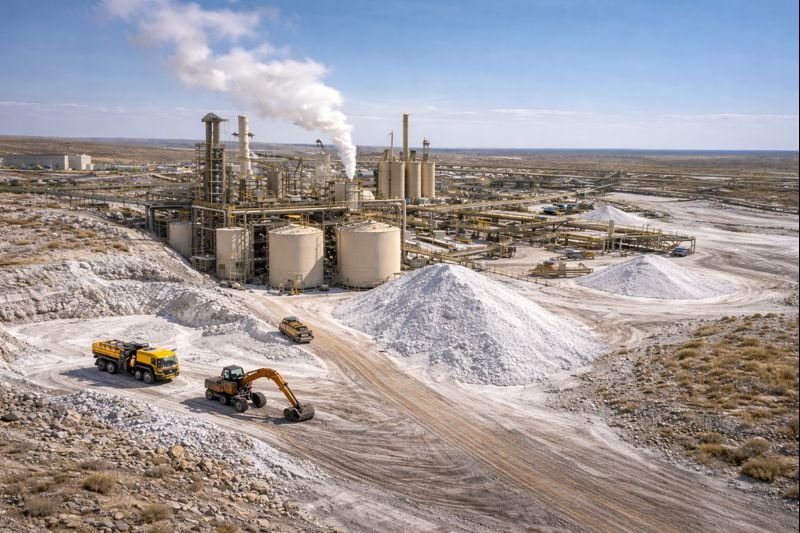
Natural soda ash is produced from naturally occurring mineral deposits, most commonly trona, which formed over millions of years through the evaporation of mineral-rich waters. In regions where these deposits exist, soda ash is obtained by mining the mineral and refining it through a series of controlled processes that include purification, crystallization, and drying.
This production route is typically associated with large-scale output and long-term supply stability, as it relies on abundant natural resources rather than ongoing chemical synthesis. Natural soda ash production supports high-volume industrial demand and is commonly used in applications where continuous supply and consistent quality are essential.
For industrial users, natural soda ash offers dependable performance and is well suited for operations that require stable, predictable raw material input over extended production cycles. Its availability in large quantities makes it a key supply source for industries such as glass manufacturing and bulk chemical processing.mau
Synthetic Soda Ash Production
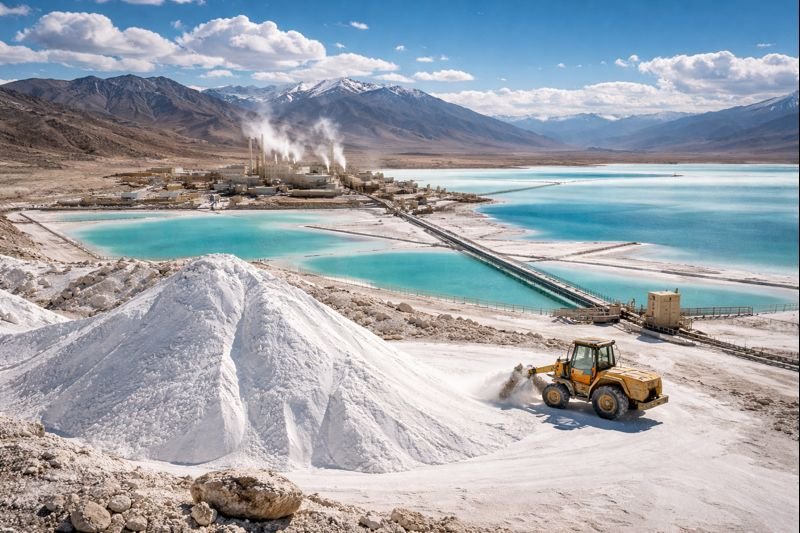
Synthetic production plays an important role in ensuring regional supply availability and supporting domestic industrial demand. By producing soda ash closer to end-use markets, this route helps reduce dependence on long-distance sourcing and supports consistent supply for local industries.
From an application standpoint, synthetic soda ash delivers the same chemical performance as natural soda ash. It is widely used across detergents, chemicals, textiles, and water treatment industries, where reliable access and consistent quality are critical to maintaining stable production operations.
Soda Ash Grades
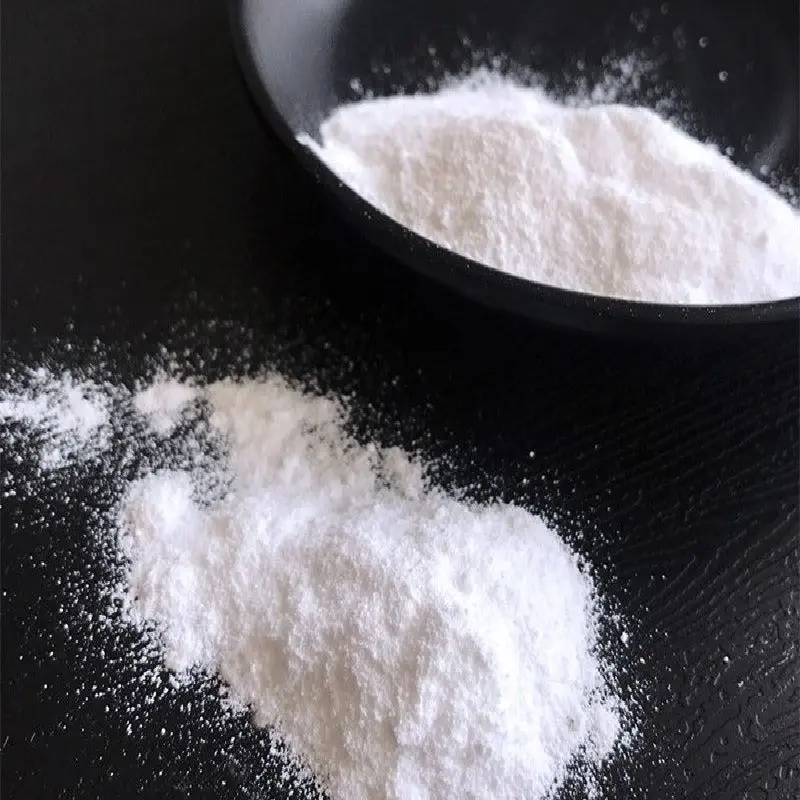
Soda ash is supplied in two primary physical forms, known as Soda Ash Light and Soda Ash Dense. While both grades are chemically identical sodium carbonate, they differ in bulk density, particle structure, and handling characteristics. These physical differences influence how the material behaves during storage, transport, dissolution, and feeding into industrial processes.
The distinction between light and dense grades is introduced after chemical production is complete, during the final physical processing stage. This allows manufacturers to tailor soda ash to different operational requirements without altering its chemical composition or performance.
Selecting the appropriate grade helps manufacturers optimize material handling, improve process efficiency, and maintain consistent production conditions across different applications.
Soda Ash Light
This grade is commonly used in applications where soda ash is added as a solution or where fast reaction times support efficient processing. Its physical properties allow for easier mixing and dosing, making it a preferred choice in many chemical, detergent, textile, and water treatment processes.
Because of its versatility and ease of use, Soda Ash Light is widely adopted across industries that require flexibility in formulation and consistent performance under varying operating conditions.
Soda Ash Dense
Natural soda ash is produced from naturally occurring mineral deposits, most commonly trona, which formed over millions of years through the evaporation of mineral-rich waters. In regions where these deposits exist, soda ash is obtained by mining the mineral and refining it through a series of controlled processes that include purification, crystallization, and drying.
This production route is typically associated with large-scale output and long-term supply stability, as it relies on abundant natural resources rather than ongoing chemical synthesis. Natural soda ash production supports high-volume industrial demand and is commonly used in applications where continuous supply and consistent quality are essential.
For industrial users, natural soda ash offers dependable performance and is well suited for operations that require stable, predictable raw material input over extended production cycles. Its availability in large quantities makes it a key supply source for industries such as glass manufacturing and bulk chemical processing.mau